Where Are Our Chimney Inspection Services Available?
Our service area includes most of Maryland, Northern Virginia, and Washington, DC. Here’s a partial list of cities we serve.

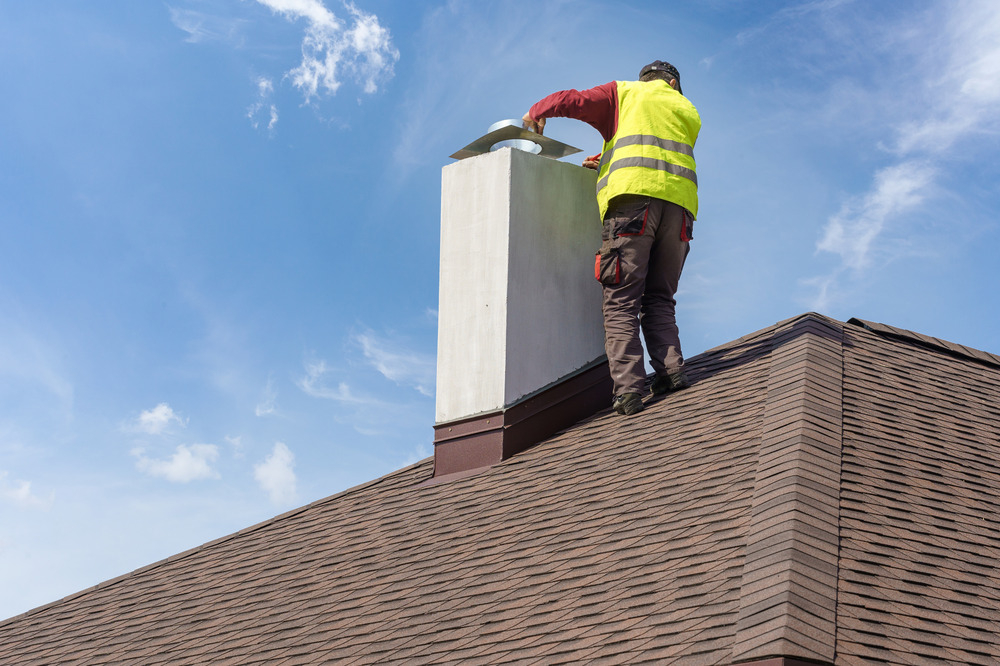
Since 1989, Chimney.com has delivered top-class inspection and other chimney services in Northern Virginia, Maryland and Washington, D.C. We are a fully insured and licensed company with knowledgeable and experienced technicians who can handle residential or commercial projects.
Get started by filling out our form or giving us a call at (301) 989-3300.
A Level 1 inspection is a visual inspection of all readily accessible areas of your chimney and fireplace system. The inspection includes checking accessible parts like the chimney structure and connections to verify they are in good condition and free of obstructions.
We recommend Level 1 inspections when there are no known problems or when no changes have been made to your system. A Level 1 inspection is appropriate for annual inspections to verify the chimney’s condition. It’s a routine check-up to ensure your chimney is correctly functioning while looking for minor issues that could worsen later.
During these inspections, our technicians will look for signs of damage, blockages or creosote buildup that could affect your chimney’s efficiency or safety.
Level 2 inspections include all the visual checks of a Level 1 inspection, plus examining accessible areas like crawl spaces and attics. These inspections provide a more in-depth look at the chimney’s condition with specialized tools for hard-to-reach areas.
We recommend Level 2 inspections when changes have been made to the chimney system, after a chimney fire or before selling a property. Level 2 inspections help identify hidden issues and ensure the chimney is safe and functioning correctly, offering a more detailed assessment than a Level 1 inspection.
Our Level 2 inspections include a camera inspection to further inspect the flue for damage. We use a commercial-grade camera system called the SnapScan Pro Motorized Pan and Tilt Video Inspection System. We also supply a detailed condition report post-inspection with pictures and videos of the chimney flue.
Level 3 is the most comprehensive inspection, and most chimney systems only require them in extreme circumstances. The purpose of a Level 3 inspection is to identify and rectify hidden hazards within your chimney system that could threaten the building’s safety. The inspection could involve opening walls or ceilings to assess the chimney’s condition comprehensively.
Our technicians typically perform these inspections when they suspect serious safety risks that are not easily identifiable with Level 1 or Level 2 inspections. Property owners should choose a Level 3 chimney inspection when serious concerns, hidden hazards, complex situations or specific circumstances warrant a more thorough and intrusive evaluation. The professionals at Chimney.com can help determine if a Level 3 inspection is necessary based on your particular situation and concerns.
At Chimney.com, our certified technicians have decades of combined expertise working with different fireplace designs and heating systems, including gas, wood and oil. We guarantee the quality of our work and offer detailed reports to homeowners associations, home inspectors and new home buyers.
Examples of what we can inspect include:
During your inspection, we’ll examine your fireplace or chimney for water damage, creosote and any other potentially harmful elements that may have accumulated since your last evaluation. We can perform Level 1, Level 2 or Level 3 inspections to handle your needs.
Annual fireplace and chimney inspections are crucial to the efficiency of your fireplace and the safety of everyone in your home. Your chimney will accumulate a residue called creosote over time as you burn fires in your fireplace. This buildup is highly flammable and can cause a chimney fire if not removed.
Detecting creosote buildup and other minor issues before they worsen can prevent costly repairs and potentially life-threatening situations like chimney fires or carbon monoxide poisoning. Regular inspections by the professionals at Chimney.com keep your fireplace and chimney functioning properly, reducing health risks and keeping your home safe and warm. Scheduling yearly inspections with us is the most practical and effective way to avoid potential problems and enjoy your fireplace with peace of mind.

If you’re looking for a reputable company that provides thorough, accurate chimney inspection services across Northern Virginia, Maryland and Washington, D.C., Chimney.com is the perfect choice. Our team is confident in our ability to guarantee that your chimney is clean, fully functional and equipped to handle all your heating requirements. Contact us online or call (301) 945-7944 today with questions or to schedule an inspection.
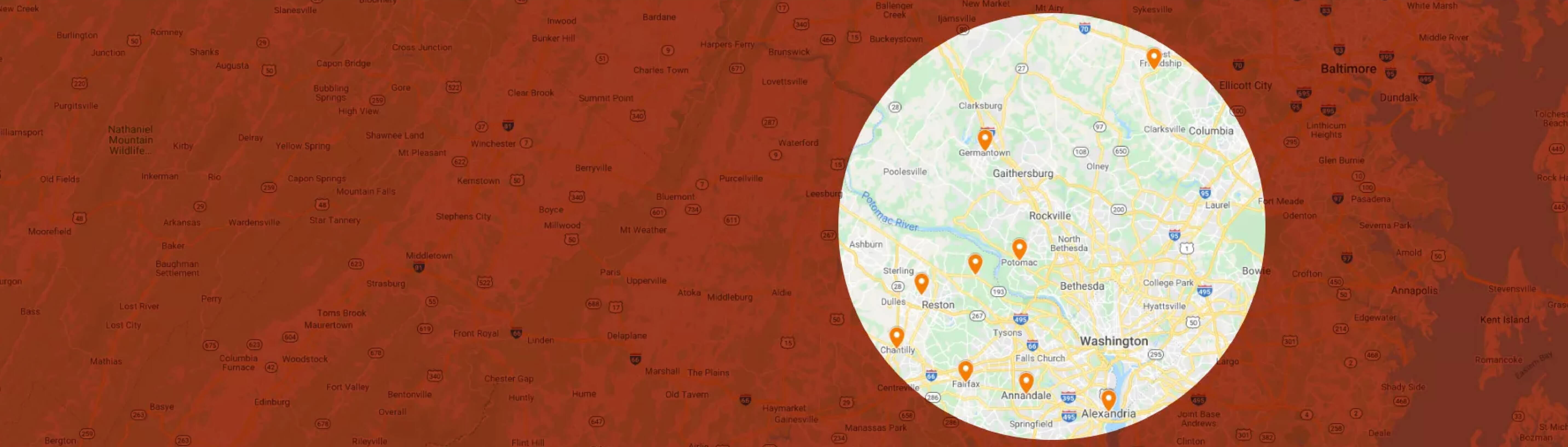
Our service area includes most of Maryland, Northern Virginia, and Washington, DC. Here’s a partial list of cities we serve.
Level 1 chimney inspections are basic visual checks of its accessible parts. Level 2 inspections are more comprehensive checks that examine accessible areas such as crawlspaces and attics, and they’re required after damage occurs or when a home is up for sale. Level 3 inspections are the most extensive, involving parts removal to access concealed areas when a serious hazard could be present.
These are the signs you might have a chimney problem and need an inspection:
Yes, you should schedule an annual chimney inspection even if you barely use your fireplace. Structural complications, moisture damage and animal nests can occur even when you don’t use your chimney, creating a need for maintenance. The Chimney Safety Institute of America (CSIA) recommends a chimney inspection at least once a year to prevent chimney fires and carbon monoxide intrusion.
Spring or summer is the best time for a chimney inspection. This enables you to address any maintenance or repair needs before the next cold season, ensuring your chimney is ready to heat your home.
During a chimney inspection, the inspector may ask you to explain any issues you’ve noticed. They will then visually inspect your chimney’s exterior and interior. They will closely examine the flue, firebox and damper, and they may use advanced tools such as thermal imaging or video cameras. Following the inspection, the inspector will give you a final report with maintenance and repair recommendations.